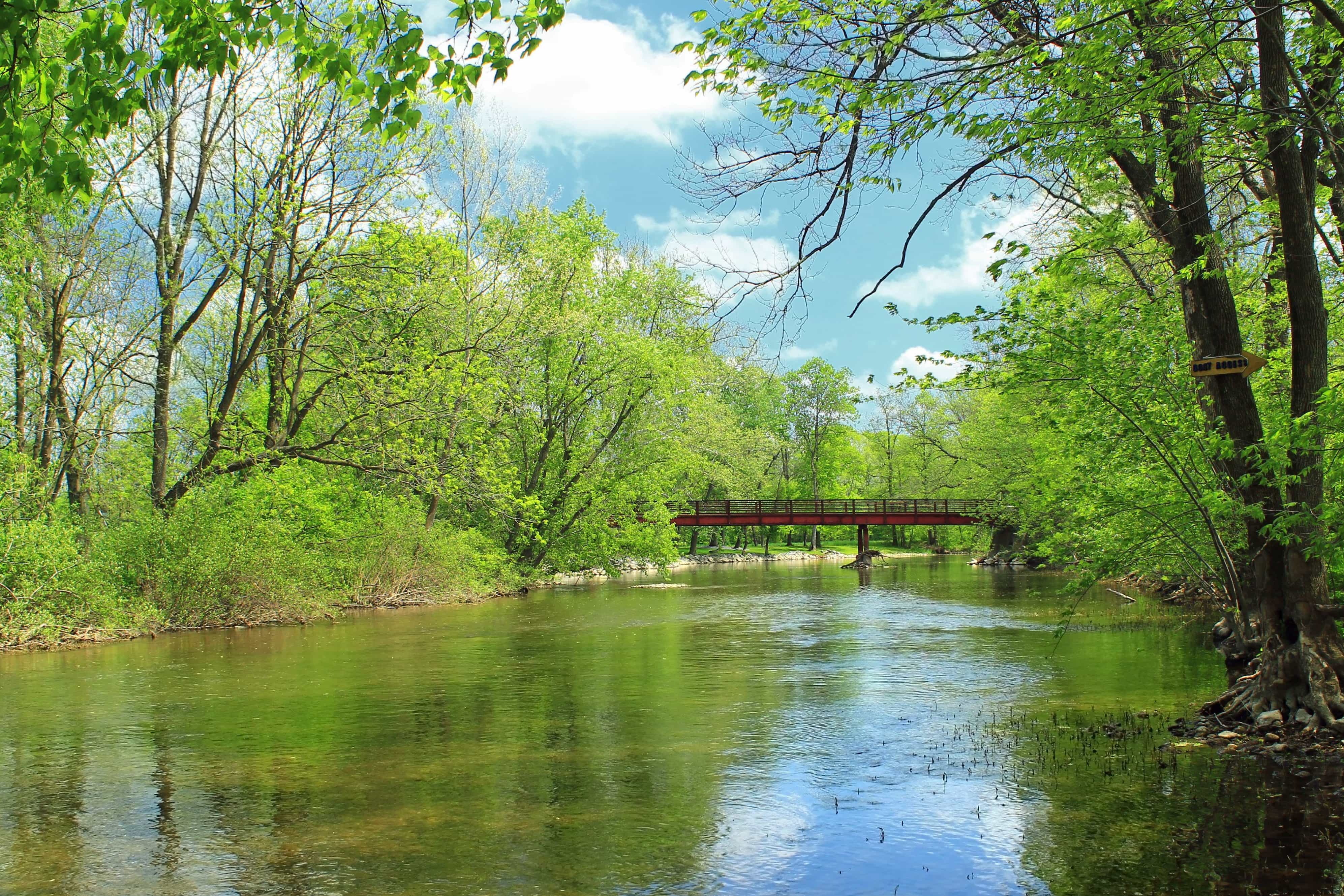
Riverside Restoration has emerged as a essential priority for communities around the globe seeking to rejuvenate their natural waterways. As development has often infringed upon these important ecosystems, the need to restore riverbanks and their surrounding environments has become ever more critical. This effort reflects a growing recognition of the value that well-maintained rivers bring to our existence, from enhancing biodiversity to providing leisure opportunities and improving water quality.
Across different locales, there are inspiring success stories of rivers being reclaimed from the brink of degradation. flood cleanup near Thornapple River and public involvement, showing that restoration is more than possible but can lead to flourishing ecosystems and renewed local markets. By studying these effective initiatives, we can uncover valuable lessons about the potential for Riverside Restoration to change our environments and enhance our connection to the natural world.
Accomplishment Stories from All over the Planet
One of the most impressive instances of riverbank restoration can be observed in South Korea's capital, in the heart of South Korea, where the Cheonggyecheon Stream has been restored in the beginning part of the 2000s. Once a encased waterway lined with streets, the Cheonggyecheon project aimed to reestablish the organic flow of the river and link locals with their water heritage. The effort not only enhanced ecosystem diversity by introducing multiple species of fish and vegetation but also offered a lively public space for relaxation and public involvement. Today, the waterway is a praised metropolitan haven that significantly enhances the well-being for community members and guests alike.
In the US, the restoration of the river in Los Angeles represents a noteworthy attempt to transform an over-engineered cement waterway into a more natural and user-friendly stream. Through a partnership of local communities, environmental organizations, and government agencies, projects have been carried out to restore the riparian habitat along the edges. The effort supports leisure activities while nurturing local plants, which assists manage urban runoff and boost water quality. The Los Angeles River has gradually changed into a corridor for animals and a point of interest, drawing public focus and inspiring further rehabilitation initiatives.
Across Europe, the Thames in London has also experienced noteworthy changes aimed at enhancing its ecosystem health. The Tideway project seeks to reduce contamination and boost the clarity of the river of the Thames by collecting wastewater. Alongside this massive engineering venture, programs to preserve banks and develop environments for area wildlife have been put in place. These initiatives have led to growing numbers of fish and have made the river a healthier environment. As a consequence, the Waterway is not only a symbol of England's heritage but also a proof to positive waterway restoration in city contexts.
Innovative Methods in Riverbank Rehabilitation
In recent years, new strategies have emerged to boost the success of riverside rehabilitation efforts. One such method is the use of environmental engineering, which merges ecological principles with engineering practices. This approach focuses on using natural materials such as native plants, soil, and stones to fortify riverbanks and restore habitats. By combining these components, restoration initiatives not only address erosion and sedimentation but also enhance biodiversity and create sustainable ecosystems.
Another encouraging technique is the application of technology in monitoring and measuring the health of river systems. Remote sensing, drones, and geographic information systems are increasingly used to gather data on river conditions, vegetation cover, and water quality. This data-driven strategy enables restoration practitioners to make wise decisions, track progress over time, and modify strategies as necessary. The insights obtained from these technological tools can lead to more targeted restoration efforts, ultimately resulting in more robust and more sustainable waterways.
Incorporating community engagement into restoration projects is also gaining recognition as an innovative approach. By involving local residents and stakeholders in the planning and execution processes, restoration projects can benefit from local knowledge and foster a sense of ownership. Educational workshops, volunteer tree planting events, and collaborative design sessions empower communities to take an active role in the revival of their riverbanks. This not only enhances the success of the projects but also nurtures a greater appreciation for the environment and its sustainability.
Community participation plays a critical role in the outcome of riverside restoration projects. Nearby inhabitants often bring invaluable knowledge about the area, its history, and the ecological changes it has faced. By engaging local citizens through workshops, volunteer events, and informational sessions, restoration initiatives not only gain support but also foster a robust sense of ownership and responsibility among community members. This grassroots approach can lead to perpetual viability, as the community becomes invested in the health and beauty of their surrounding water bodies.
Additionally, cooperation between community organizations, schools, and government agencies amplifies the positive effects of restoration efforts. When different parties come together to address concerns such as pollution and habitat loss, they can share resources, expertise, and funding opportunities. This collaboration helps to create more holistic and effective restoration plans, ensuring that the needs of both the environment and the community are addressed. As more participants join the discourse, the combined impact of these initiatives can lead to greater environmental awareness and advocacy.
Ultimately, rewarding riverside restoration initiatives not only improve the natural landscape but also enhance the quality of life for the surrounding communities. Enhanced access to nature areas fosters physical health, promotes mental well-being, and encourages social connections. Local waterways become venues for recreation, education, and cultural events, strengthening the community's connection to nature. The ripple effect of restoration extends beyond the environment, demonstrating how restoring waterfronts can in various ways uplift communities as well.